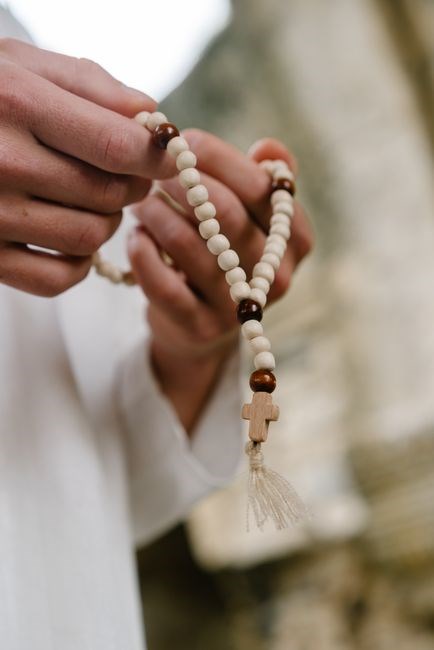
The Servite Rosary invites devotion to Mary’s seven sorrows‚ offering a structured meditation on her suffering. Reciting it involves the Sign of the Cross‚ Apostles Creed‚ and seven decades‚ each with an Our Father and seven Hail Marys‚ followed by petitions. and reflect on each sorrow. healing.!

Purpose of the Servite Rosary
The Servite Rosary‚ also known as the Seven Sorrows Rosary‚ invites the faithful into a profound meditation on the sorrowful heart of the Blessed Virgin Mary. By reflecting on each of the seven sorrows—her foreknowledge of Jesus’ suffering‚ the abandonment by the beloved‚ the scourging‚ the carrying of the cross‚ the crucifixion‚ the death of Jesus‚ and the burial—practitioners deepen their empathy for Christ’s sacrifice and cultivate a personal sorrow that mirrors Mary’s. This devotion fosters a deeper connection to the mysteries of redemption‚ encouraging believers to seek spiritual purification‚ to ask for grace‚ and to emulate Mary’s steadfast faith. The structure of the rosary‚ with an Our Father followed by seven Hail Marys for each sorrow‚ balances petition and thanksgiving‚ creating a rhythm of prayer that aligns the heart with divine love. Moreover‚ the rosary’s format reinforces the Servite Order’s heritage of sorrowful contemplation and compassionate service‚ inviting the faithful to participate in a communal tradition that transcends time. By reciting the rosary with sincere devotion‚ one enters into the sorrowful heart of Mary‚ experiences the depth of her love‚ and is transformed by the power of her example into a life of humility‚ patience‚ and unwavering devotion to God. In this practice‚ the faithful are invited to contemplate Mary’s sorrow allowing their hearts to be healed and strengthened‚ and to grow in humility and love thereby becoming instruments of grace in the world again now.

Historical Context
The Servite Rosary emerged in the 13th‑century Servite Order‚ rooted in medieval devotion to Mary’s sorrows. Its seven mysteries were formalized by the order’s founders‚ reflecting their penitential spirituality and the era’s emphasis on contemplative prayer. in the 14th century‚ devotion spread.
Origins in the Servite Order
The order’s original statutes emphasized communal prayer‚ humility‚ service to poor‚ reflecting medieval Church’s call to charity. Founders modeled their lives on the Virgin’s compassion‚ inspiring the devotion’s focus on sorrow as a path to spiritual growth. centuries‚ the devotion was adapted by bishops‚ ensuring its endurance across European regions. Its legacy continues in Marian devotion today for all hearts daily today???.
Development of the Seven Sorrows Mysteries

The Seven Sorrows Mysteries evolved through centuries of Marian devotion‚ becoming a distinct contemplative practice within the Servite tradition. Initially‚ the order’s founders focused on the Virgin’s compassion‚ but by the late Middle Ages‚ the Church began to formalize specific meditations on her sufferings. The first recorded version of the Seven Sorrows appears in a 15th‑century manuscript that lists the sorrowful moments: the prophecy of Simeon‚ the flight into Egypt‚ the loss of the child Jesus‚ the scourging of the mother‚ the crucifixion‚ the removal of the body from the cross‚ and the burial. Each sorrow is paired with a brief meditation‚ guiding the faithful to reflect on Mary’s pain and the corresponding spiritual lessons. In the 16th century‚ the Servite Order codified the practice‚ integrating the mysteries into daily prayer routines and encouraging the faithful to recite them in churches‚ especially during Lent or on Fridays. The 18th‑century Catholic reformers further popularized the devotion‚ linking it to indulgences and encouraging its use as a tool for penance and spiritual growth. Today‚ the Seven Sorrows Mysteries are celebrated worldwide‚ with each mystery offering a unique opportunity to meditate on the intersection of divine love and human suffering‚ fostering deeper empathy and devotion among believers. The devotion is often paired with the Angelic Salutation‚ a brief prayer invoking the Virgin’s intercession‚ and with the Lord’s Prayer‚ which together deepen the meditative experience. Practitioners may also incorporate the Litany of the Seven Sorrows‚ a series of petitions that further enrich the prayer daily! soon
Spiritual Significance

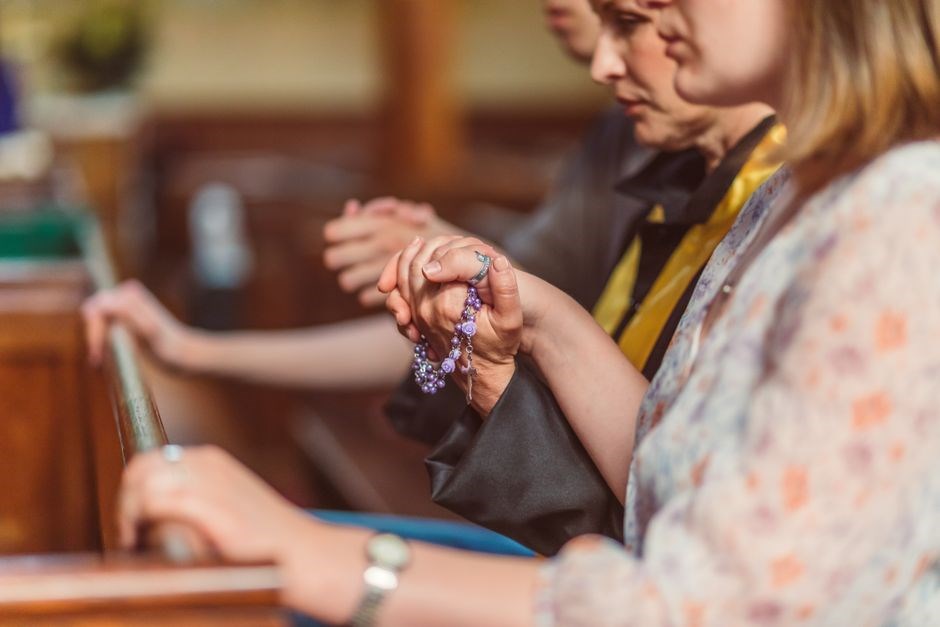
The Servite Rosary deepens faith by inviting reflection on Mary’s seven sorrows‚ linking her suffering to Christ’s Passion. Each mystery fosters penitence‚ compassion‚ and hope‚ offering an intimate dialogue with divine love and a path toward spiritual renewal. and invites daily reflection for us
Indulgences Associated with the Rosary
According to recent Canonical norms‚ the Servite Rosary confers specific indulgences. When the Angelic Salutation and the Lord’s Prayer are recited within a Servite church‚ a plenary indulgence of 200 days is granted for each. The same 200‑day indulgence applies when the prayers are said on any Friday‚ during Lent‚ or on any feast of the Blessed Virgin‚ regardless of location. For all other days and places‚ a partial indulgence of 100 days is awarded for each set of Angelic Salutations and Lord’s Prayer. Moreover‚ a plenary indulgence of seven years is granted to anyone who completes the entire Rosary of the Seven Sorrows‚ reflecting a profound communion with Mary’s sorrow and a deepening of the faithful’s spiritual life. These indulgences are conditional upon the usual requirements: sacramental confession‚ reception of the Eucharist‚ and prayer for the intentions of the Pope. The faithful are encouraged to observe these conditions to fully benefit from the spiritual grace promised by the Church. The Church teaches that these indulgences are a means of sanctifying the soul‚ fostering a deeper communion with Mary‚ and encouraging the faithful to live out the virtues of humility‚ patience‚ and love‚ especially during times of trial and sorrow‚ thereby aligning their hearts with the divine will and receiving the mercy of God. By observing these conditions‚ the faithful are called to deepen their prayer life seek reconciliation and offer the fruits of their devotion to Church‚ thereby strengthening the body of Christ.
Role of Meditations on Sorrow
The Servite Rosary’s meditations serve as a contemplative bridge between the faithful and the profound grief experienced by the Virgin Mary. Each sorrow—her abandonment at the foot of the cross‚ the scourging‚ the crown of thorns‚ the carrying of the cross‚ the crucifixion‚ the removal of the body‚ and the burial—offers a distinct locus for reflection. By pausing before each decade‚ the practitioner is invited to internalize the specific pain‚ allowing the heart to resonate with Mary’s humility‚ patience‚ and unwavering trust in God. This intentional focus cultivates a deeper empathy‚ encouraging believers to mirror Mary’s virtues in their own trials. The meditations also function as a pedagogical tool‚ illustrating how sorrow can be transformed into spiritual growth. Through repeated contemplation‚ the faithful learn to view suffering not as a burden but as an opportunity for sanctification‚ aligning the soul with the divine plan. Furthermore‚ the meditations reinforce the communal dimension of prayer: as each individual contemplates sorrow‚ they join the universal Church in a shared act of contrition and hope. In sum‚ the meditations on sorrow are integral to the Servite Rosary’s purpose‚ guiding the soul toward a profound union with Mary’s example and fostering a resilient‚ compassionate faith that endures in the face of adversity. May this meditation deepen our compassion and strengthen our resolve to live in accordance with Mary’s example of steadfast faith and may hearts her sorrow….
Preparatory Steps
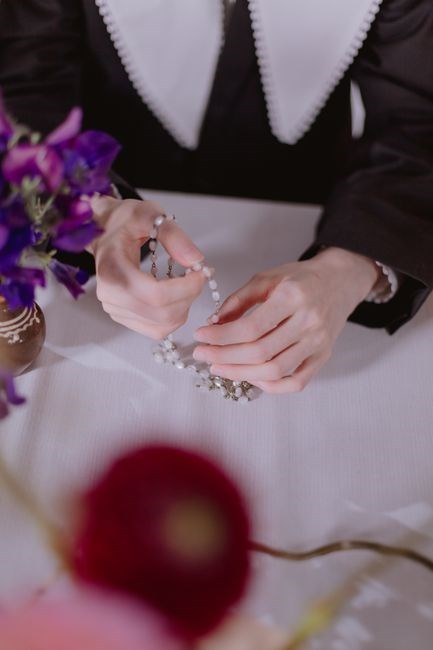
Begin by selecting a Servite rosary‚ ensuring it has the seven sorrow beads. Set a clear intention: to contemplate Mary’s suffering and seek spiritual growth. Then‚ perform the Sign of the Cross‚ recite the Apostles Creed‚ and prepare your heart for the meditative journey ahead. with devotion.!
Gathering a Rosary and Setting Intentions
First‚ select a Servite rosary that contains the seven sorrow beads‚ ensuring it is clean‚ smooth‚ and free of damage; Hold the rosary in your hands‚ close your eyes‚ and take several deep breaths to center yourself. Before beginning the prayer‚ set a clear intention: to meditate on the seven sorrows of the Blessed Virgin‚ to seek her intercession‚ and to grow in compassion and humility. Visualize each sorrow as you hold the beads‚ allowing the image to settle in your mind. Write your intention on a small piece of paper or in a journal‚ and place it near the rosary or keep it in a pouch. This physical reminder helps maintain focus during the recitation. Choose a quiet‚ peaceful setting where you will not be disturbed. Light a candle or play soft instrumental music if it helps you concentrate. Finally‚ perform the Sign of the Cross‚ recite the Apostles Creed‚ and begin the first decade‚ trusting that your preparation will deepen the spiritual experience. Before you begin‚ consider setting a specific intention for each sorrow: ask for mercy‚ compassion‚ or strength. You may also write a short prayer or vow on a card and keep it with the rosary. This tangible act reinforces your commitment. After completing the rosary‚ spend a few minutes in silent reflection‚ noting any insights or emotions that arise. Such post‑prayer contemplation deepens the spiritual fruitfulness of the practice. Remember that each sorrow invites a deeper empathy for suffering‚ guiding you toward a life of love and humility nowall.
Reciting the Sign of the Cross and Apostles Creed
Begin by placing your right hand over your forehead‚ then your chest‚ and finally your left shoulder‚ while saying‚ “In the name of the Father‚ and of the Son‚ and of the Holy Spirit. Amen.” This gesture unites body and spirit‚ preparing the heart for prayer. Next‚ recite the Apostles’ Creed‚ a concise statement of faith that recalls the life of Christ‚ the Church‚ and the promise of the Holy Spirit. The Creed reads: “I believe in God‚ the Father Almighty‚ maker of heaven and earth; and in Jesus Christ‚ His only Son‚ our Lord‚ who was conceived by the Holy Spirit‚ born of the Virgin Mary‚ suffered under Pontius Pilate‚ was crucified‚ died‚ and was buried; He descended into hell; on the third day He rose again; He ascended into heaven‚ where He sits at the right hand of God the Father Almighty; from there He will come to judge the living and the dead. I believe in the Holy Spirit‚ the holy catholic Church‚ the communion of saints‚ the forgiveness of sins‚ the resurrection of the body‚ and the life everlasting. Amen.”
Before beginning the decades‚ take a moment to breathe deeply‚ allowing the presence of the Holy Mother to fill your heart. Visualize each sorrow as a mirror of Christ’s suffering‚ and ask for the grace to reflect His compassion in your daily life. This intentional focus transforms the rosary into a living prayer‚ guiding you toward humility‚ empathy‚ and steadfast faith. May Mary’s sorrow guide your heart.
Recitation Structure
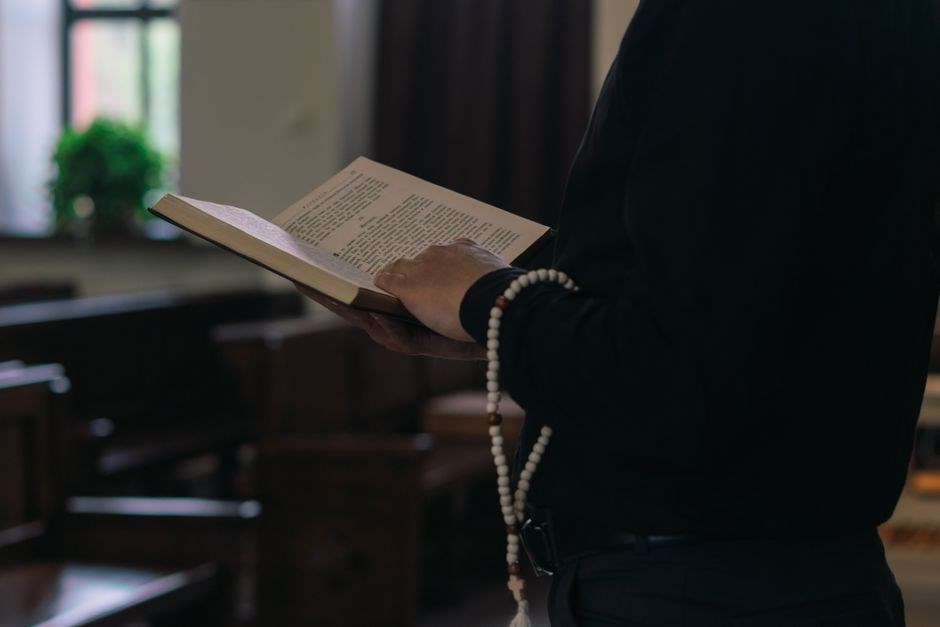
Each sorrow is a decade: one Our Father‚ seven Hail Marys‚ then a brief reflection on the sorrow. After all seven decades‚ conclude with three Hail Marys and a final petition for mercy‚ asking Mary to intercede and guide believers. Pause‚ feeling Mary’s tears‚ and let her sorrow guide heart toward humility.
One Decade per Sorrow: Our Father and Seven Hail Marys
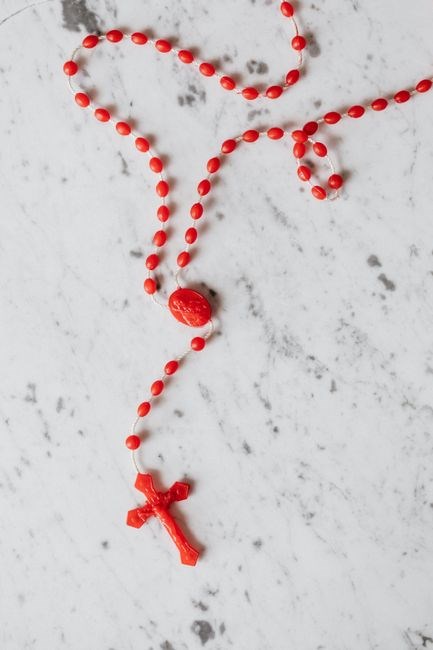
Begin each sorrow with a single Our Father‚ then recite seven Hail Marys‚ each followed by a brief meditation on the specific sorrow. The first decade reflects on the prophecy of Simeon‚ the second on the flight to Egypt‚ the third on the loss of the child Jesus‚ the fourth on the crucifixion‚ the fifth on the removal of the body‚ the sixth on Mary’s burial‚ and the seventh on the empty tomb. After each Hail Mary‚ pause to contemplate the sorrow’s meaning‚ allowing the mind to enter the mystery. The rhythm of the prayer deepens the connection to Mary’s suffering‚ inviting the faithful to share in her compassion and to seek her intercession for mercy and healing. Conclude each decade with a short petition‚ thanking Mary for her steadfast faith and asking her to guide believers toward a life of humility and love. This structured approach ensures that the Servite Rosary remains a powerful tool for spiritual growth and reflection on the mysteries of Mary’s sorrowful journey.
Additional Prayers and Petitions after the Decades
After completing the seven decades‚ the Servite Rosary calls for a series of concluding prayers that deepen the meditative experience. First‚ recite the Hail Holy Queen‚ offering thanks for the intercession of Mary in the mysteries of sorrow. Next‚ say the Rosary Prayer for the Church‚ asking for unity and spiritual strength. Then‚ include a short petition for the souls in purgatory‚ invoking Mary’s compassion to guide them toward eternal peace. Following this‚ offer a personal intention: state a specific need or request‚ trusting in Mary’s maternal care. Finally‚ close with the Sign of the Cross and a final Hail Mary‚ expressing gratitude for the journey through the sorrows and committing to live in humility and love. This sequence of prayers reinforces the spiritual benefits of the rosary and encourages the faithful to carry Mary’s example into daily life. After the final Hail Mary‚ pray the Rosary Prayer for the Church again‚ asking for the grace to live in the presence of Christ. Then‚ offer a brief intercession for the sick‚ the dying‚ and those who have lost loved ones‚ asking Mary to bring them comfort. Conclude with a short prayer of thanksgiving: “O Mother of Mercy‚ we thank you for guiding us through the sorrows and for showing us the way to eternal salvation.” Finally‚ seal the devotion with the Sign of the Cross‚ promising to carry the lessons of sorrow into everyday actions‚ and to share Mary’s compassion with othersAmen
Practical Tips
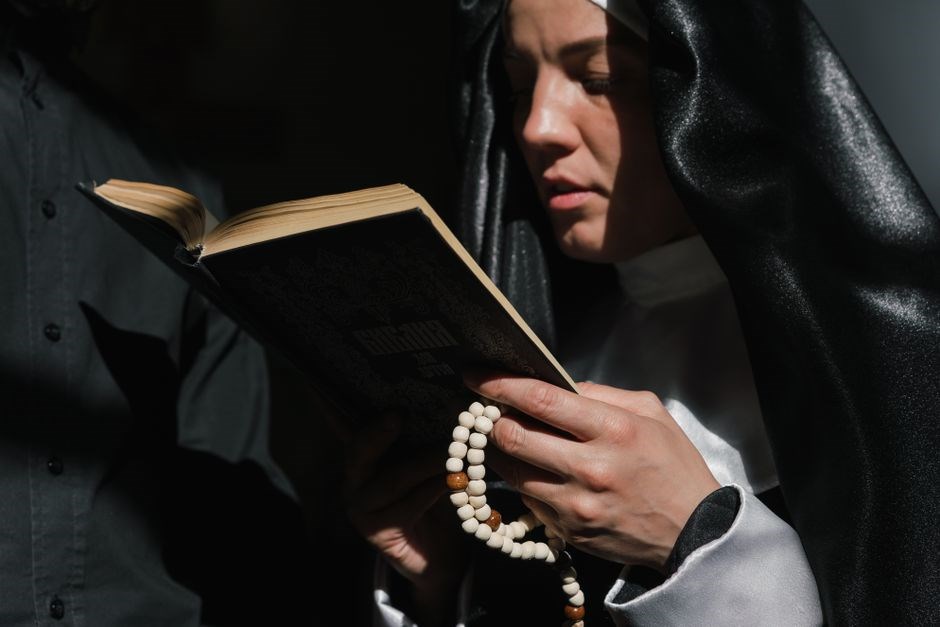
Choose a quiet time‚ preferably early morning or before bed‚ to focus. Use a rosary from a Servite community for authenticity. Pray each decade with full attention‚ reflecting on the sorrow. End with a personal intention and the Sign of the Cross. Pray with humility always.
Choosing Appropriate Times and Places
Choosing the right moment and setting can deepen the Servite Rosary experience. Many find it most effective to pray early in the morning‚ before the day’s distractions‚ or in the evening‚ reflecting on the day’s events. Fridays‚ Lent‚ and feast days of the Blessed Virgin are especially recommended‚ as indulgences are granted for prayers said on these days. A quiet‚ private space—such as a home altar‚ a chapel‚ or a garden—helps maintain focus. Avoid noisy environments; instead‚ seek a place where you can hear your own breathing and the recitation. If you cannot find a quiet spot‚ a small‚ portable rosary can be used in a car or on a train‚ provided you can concentrate. The key is consistency: set a routine‚ perhaps specific hour‚ and commit to it. By doing so‚ the prayer becomes a habit that nurtures spiritual growth and fosters a deeper connection with Mary’s sorrows. Prayers said in a church of the Servite Order carry special merit‚ and reciting on Fridays or during Lent amplifies the spiritual benefit. When you are unable to attend a service‚ a quiet corner in your home or a small chapel can serve as a suitable alternative. Remember that the rosary is a conversation with Mary; maintain a sincere heart and a humble spirit. By setting a specific time each day‚ you create a rhythm that strengthens your faith and deepens your empathy for Mary’s suffering. Let the words of the rosary echo in your heart‚ guiding you toward compassion‚ humility‚ and a renewed devotion to the mysteries of faith for the soul.