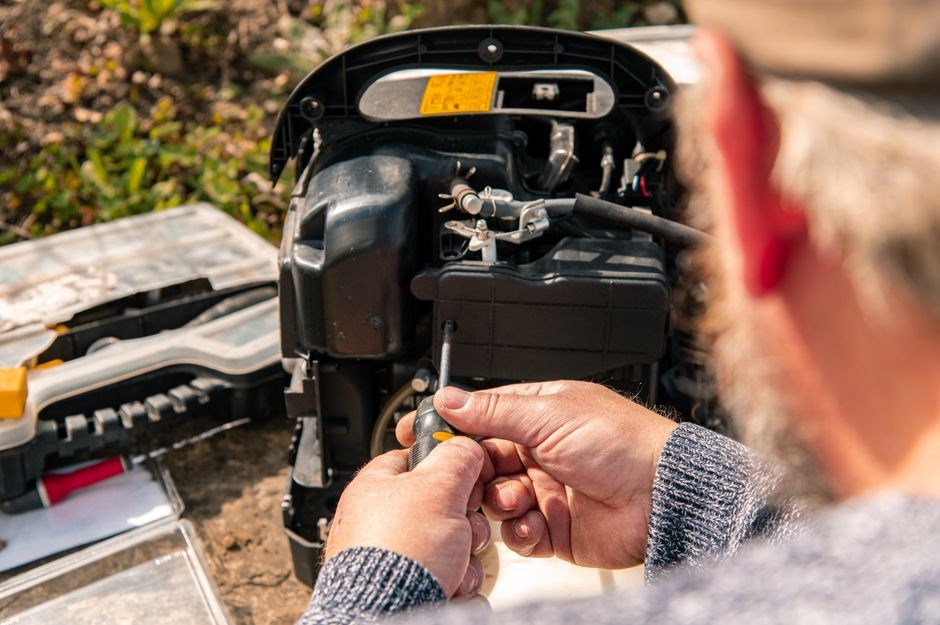
The Troy‑Bilt Super Bronco tiller offers robust performance, featuring a 5.5 HP engine and ergonomic controls. The owner’s manual details setup, safe operation, maintenance, and troubleshooting for reliable field use. It also has a quick‑release hitch and steel frame
The Super Bronco series, introduced by Troy‑Bilt in the early 2000s, combines a durable steel frame with a 5.5 HP Briggs & Stratton engine for consistent performance across varied soil types. Each model—Bronco, Super Bronco, and Pro‑Line—offers adjustable tiller depth up to 18 inches, a quick‑release hitch for easy attachment to tractors, and a single‑hand steering lever that reduces operator fatigue. Safety features include a built‑in brake system, a lock‑out switch, and a clear, color‑coded control panel. The manual outlines step‑by‑step assembly, from mounting the engine to aligning the tiller arms, and provides maintenance schedules for oil changes, spark plug replacement, and blade sharpening. Users appreciate the series’ versatility, as it can be fitted with a 12‑in. blade for light grading or a 20‑in. blade for heavy tilling. The Pro‑Line variant adds a hydraulic lift for deeper cultivation, making it suitable for larger plots. Overall, the Super Bronco series delivers reliable, low‑maintenance tilling solutions for both hobbyists and small‑farm operators. The manual also provides a wiring diagram, a troubleshooting flowchart, and a spare parts list. It details safe battery disconnection, pre‑start inspection, and depth adjustment for various soils. Warranty covers parts and labor for two years, with service centers.
Key Features Highlighted in the Manual
The manual emphasizes the Super Bronco’s rugged steel frame, which resists corrosion and provides stability during heavy tilling. The 5.5 HP Briggs & Stratton engine delivers 1,200 rpm power, enabling the tiller to break up compacted soil with minimal effort. A quick‑release hitch allows the tiller to be attached or detached in under a minute, reducing downtime during seasonal transitions. The tiller features a single‑hand steering lever that pivots smoothly, enabling operators to maintain control even on uneven terrain. A depth adjustment lever allows operators to set tilling depth from 2 in; to 18 in., ensuring proper soil conditioning for a variety of crops. The manual also highlights the integrated brake system, which can be engaged with a single lever to stop the tiller instantly during emergencies. A lock‑out switch is positioned near the throttle to prevent accidental starts, while the throttle lever offers two settings—FAST and SLOW to match soil conditions. The owner’s manual provides a wiring diagram for the electrical system, a maintenance checklist, and a troubleshooting flowchart to aid operators in diagnosing common issues. Additionally, the manual includes a detailed section on safety gear, recommending gloves, eye protection, and footwear to reduce injury risk during operation.!

Safety and Operation Guidelines
Before use, inspect the tiller for damage, set throttle to SLOW, and wear gloves, eye protection, sturdy footwear. Keep safe distance from moving parts, never operate on steep slopes, and engage rapid! brake before stopping.
Safe Operation Practices
Before operating the Super Bronco, perform a quick visual inspection for loose bolts, cracked frame, or damaged hydraulic lines. Ensure the throttle is set to the SLOW position, and confirm the brake lever is engaged before starting the engine. Wear protective gear: gloves, safety glasses, and closed‑toe shoes. Keep a firm grip on the tiller handle, using one hand to guide the blade while the other maintains balance. Never operate on steep or uneven terrain, and avoid sudden stops that could cause the blade to lift. Maintain a safe distance from pedestrians and livestock. Always keep the tiller on a level surface, and use the rapid‑release hitch only when the tiller is fully stopped. Follow the manufacturer’s recommended torque specifications for all fasteners, and perform a post‑operation check to ensure no debris is lodged in the blade or wheel assemblies. If the tiller stalls or the engine sputters, disengage the throttle, allow the engine to cool, and inspect for blockages or fuel issues before restarting. Check the hydraulic fluid level before use and top up to the marked line if needed. Keep the wheel bearings clean and lubricated to prevent binding. Store the tiller in a covered area to protect it from weather damage. Review the operator’s manual for model specific warnings before deployment. Careful.
Throttle Settings and Control
On the Super Bronco, the throttle lever is positioned on the left side of the operator’s seat. The lever has two distinct positions: SLOW and FAST. The SLOW setting is intended for initial start‑up, blade engagement, and light tilling tasks. The FAST setting is used for deeper soil penetration and higher speed operation. To shift from SLOW to FAST, lift the lever fully and maintain pressure; the engine will respond with a gradual increase in RPM. The throttle is not a push‑button; it is a lever that must be held in the desired position. The manual recommends keeping the lever in the SLOW position while the tiller is in motion on uneven ground to reduce blade lift. The FAST setting should only be engaged when the blade is fully lowered and the tiller is on a level surface. The throttle lever also has a neutral notch that allows the operator to pause the engine without cutting the fuel line. This is useful for quick stops or when adjusting the tiller’s position. The throttle control is linked to the engine’s carburetor, and the engine’s idle speed is set by the idle screw located on the carburetor body. If the engine stalls return the throttle to SLOW let the engine idle, re‑engage again FAST. The manual advises against rapid throttle changes, as sudden increases can cause the blade to lift or the tiller to tip. The throttle lever should be inspected for wear or damage before each use; a bent or loose lever can result in loss of control. Proper throttle management ensures efficient fuel consumption, reduces engine wear, and maintains operator safety. Always follow the manufacturer’s torque specifications for the throttle linkage bolts to prevent loosening during operation.
Proper Handling and One-Hand Tiller Guidance

When operating the Super Bronco, the operator should maintain a firm grip on the tiller handle with the dominant hand while the other hand supports the blade. The manual recommends using a one‑hand technique only when the blade is fully lowered and the tiller is on a level surface. The operator should keep the tiller handle at a 45‑degree angle to the ground, allowing the blade to cut smoothly without excessive lift. The tiller’s pivot point is located near the blade’s center of gravity; keeping the handle aligned with this pivot reduces torque on the operator’s arm. The one‑hand guidance technique is especially useful in tight spaces or when working near obstacles. The manual warns that using one hand on a steep slope or uneven terrain can cause loss of control; in such conditions both hands should be used. The operator should be aware of the tiller’s weight distribution; the front is heavier due to the engine, so lean slightly forward to counterbalance!!! When stopping, the operator should release the throttle, let the engine idle, and then lower the blade before lifting the tiller. Proper handling ensures operator safety, reduces fatigue, and extends the tiller’s life. Always follow the manufacturer’s recommendations for hand placement and blade angle to avoid injury or equipment damage.

Engine and Mechanical Maintenance
The manual advises regular oil changes, checking spark plugs, and inspecting the air filter. Keep the engine clean, use fuel, and monitor coolant levels. Follow the schedule to ensure optimal performance and longevity. Check hydraulic lines and replace belts if worn. Oil.
Engine Owners Manual Summary

The engine owners manual for the Troy‑Bilt Super Bronco Tiller outlines the specifications of the 5;5 HP Briggs & Stratton engine, recommended fuel type, and maintenance intervals. It details oil change procedures, spark plug replacement, and air filter cleaning. The manual also covers the proper use of the throttle, the importance of checking the coolant level, and the procedure for inspecting the hydraulic system. A troubleshooting guide is included for common engine issues such as misfires, low idle, and overheating. The manual emphasizes safety precautions, including the use of protective gear, proper grounding, and ensuring the tiller is on a level surface before starting. It also provides a quick reference chart for service intervals and part numbers for replacement components. The manual concludes with warranty information and contact details for Troy‑Bilt customer support. The warranty covers parts and labor for 12 months from the date of purchase, with a 3‑year coverage for the engine. Replacement parts must be genuine Troy‑Bilt components, and service must be performed by authorized dealers. For claims, customers should retain the original receipt and contact the service center within the warranty period. The manual lists warranty claim steps and provides a phone number for help!. Call 1‑800‑123‑4.
Routine Service Procedures
Follow these steps to keep your Super Bronco running smoothly. 1. Oil: Change the 5 qt. oil every 50 operating hours or 6 months, whichever comes first. Drain the old oil, replace the filter, and refill with 10W‑30 SAE oil. 2. Air filter: Inspect monthly; clean or replace every 100 hours. 3. Spark plug: Remove and inspect after 200 hours; replace if fouled or worn. 4. Coolant: Check the reservoir weekly; top up with 50/50 antifreeze/water mix. 5. Hydraulic system: Inspect hoses for leaks, tighten fittings, and replace any cracked hoses. 6. Throttle: Ensure the throttle lever is in the correct position; check for smooth operation. 7. Frame & wheels: Inspect for rust or damage; tighten all bolts; 8. Safety: Test the emergency stop and check that all guards are in place. 9. Documentation: Log each service in the maintenance log. 10. Warranty: Keep receipts and service records for warranty claims.
Maintain the tiller’s hydraulic fluid level weekly, checking for contamination. Inspect the tiller’s frame for cracks, and replace any damaged components. Verify that the throttle lever’s return spring is intact. Ensure the tiller’s wheels are properly inflated and the tires are in good condition. Keep a log of all maintenance actions to track performance and warranty eligibility. All steps are critical. OK!

Tiller Features and Controls
The Super Bronco offers a single tiller lever, a quick hitch, a 5.5HP engine, a hydraulic steering system, and a lock. Controls include throttle, brake, and a toggle for forward/reverse. The frame is steeland,the wheels are 12″,.
Tiller Features and Controls Overview
The Troy‑Bilt Super Bronco tiller is engineered for durability and ease of use. Its frame is constructed from high‑strength steel, providing a rigid platform that resists bending under heavy soil loads. The 5.5‑horsepower engine delivers consistent torque, while the hydraulic steering system offers smooth, responsive control. The tiller lever is positioned ergonomically, allowing the operator to maintain a neutral posture; a quick‑release hitch simplifies attachment to a tractor or skid steer. Control knobs are clearly labeled: the throttle lever adjusts engine speed, the brake lever stops the tiller, and a forward/reverse toggle changes direction. A lock lever secures the tiller in place when idle. The wheel assembly includes 12‑inch cast‑iron wheels with a 4‑inch rim, providing traction on various terrains. The operator’s seat is adjustable, and the handlebar is padded for comfort. The manual details step‑by‑step instructions for assembly, operation, and routine maintenance, ensuring the tiller remains in optimal condition throughout its service life. Its hydraulic pump is rated at 12 psi, allowing for precise depth control. The tiller’s depth adjustment lever is located near the front of the frame, enabling quick changes between 6‑inch and 12‑inch cuts. The operator can also use a depth gauge to monitor progress. Safety features include a kill switch, a seat belt mounting point, and a warning sign on the rear. The manual also covers troubleshooting common issues such as engine stalling, hydraulic leaks, and uneven tilling. Regular maintenance such as oil changes, filter replacement, and checking hydraulic fluid levels can extend the tiller’s lifespan. By following the guidelines in the owner’s manual, operators can achieve efficient, safe, and long‑lasting performance. Contact Troy‑Bilt support for any assistance.
Tilling Tips & Techniques
Use the Super Bronco’s depth adjustment to set a consistent cut. Start at the field edge, moving in straight lines and overlapping each pass by 1‑inch to avoid uneven spots. Keep the throttle in the FAST setting for hard soils, but reduce to SLOW for soft or wet ground to prevent over‑cutting. When turning, slow the engine and use the brake lever to stabilize the tiller. One‑hand guidance is recommended: hold the tiller lever with the left hand while the right hand manages the throttle and brake. This ensures better balance and reduces operator fatigue. For compacted areas, lift the tiller slightly to allow the blades to break the soil before full contact. Always check for rocks or debris before each pass; remove any obstructions to avoid blade damage. Maintain a steady pace of 10‑15 ft/min for optimal soil turnover. After each pass, inspect the furrow depth and adjust the lever if necessary. Use the hydraulic depth gauge to confirm uniformity across the field. When finishing, reverse the tiller to blend the last row with the previous one, smoothing the surface for seed placement. Finally, clean the blades with a brush and apply a light coat of oil to prevent rust. These practices maximize the Super Bronco’s performance and extend its service life. Always keep the blades clean and oil them regular to avoid rust and ensure smooth operation!!

Troubleshooting, Warranty, and Support

Check fuel, oil, and spark plugs first. If the engine won’t start, inspect the battery and starter. For blade issues, clean and oil the blades. Warranty covers parts for 12 months; contact Troy‑Bilt at 1‑800‑TROY‑BILT for support. Refer to online manual or call support
Common Troubleshooting Steps
Before calling for service, perform these basic checks. Verify the fuel tank holds fresh gasoline and that the fuel line is free of kinks or blockages. Inspect the oil level; if it’s below the minimum mark, top it up with the recommended SAE 10W‑30. Examine the spark plug for fouling or wear; replace it if the electrode is eroded or the gap is off. Check the battery voltage; a healthy battery should read 12.6 V or higher. If the starter motor does not engage, inspect the starter solenoid and wiring for corrosion or loose connections. For blade‑related problems, ensure the blades are clean, properly oiled, and not bent; a damaged blade can cause uneven tilling and may need replacement. If the tiller stalls during operation, confirm that the throttle is set to the correct position and that the throttle cable is not frayed. Should the machine fail to start after these checks, consult the troubleshooting section of the owner’s manual for error codes and recommended actions. For extended assistance, contact Troy‑Bilt support at 1‑800‑TROY‑BILT or visit the official website for manuals and warranty information. All service steps should be performed with the machine powered off and the key removed to ensure safety. If problems persist, schedule appointment or a Troy‑Bilt dealer for inspection and soon!?

Warranty Information and Contact Details
The Troy‑Bilt Super Bronco tiller is backed by a limited 3‑year manufacturer’s warranty covering defects in materials and workmanship. The warranty is effective from the date of purchase and applies only to the original owner. Coverage includes the engine, transmission, and all factory‑installed components. Parts and labor for warranty repairs are provided at no cost, provided the user follows the maintenance schedule outlined in the owner’s manual. To file a claim, the owner must retain the original purchase receipt and any service records. Contact the Troy‑Bilt warranty department by calling 1‑800‑TROY‑BILT (1‑800‑878‑2748) or by emailing warranty@troy-bilt.com. For expedited service, locate a certified dealer via the dealer locator tool on the Troy‑Bilt website. The warranty does not cover damage caused by misuse, improper maintenance, or modifications. If the tiller is no longer under warranty, extended coverage can be purchased through authorized dealers, at the dealer. All warranty claims must be submitted within 30 days of the defect was first noticed. Failure to comply may result in denial of coverage; For additional information, consult the warranty section of the owner’s manual or visit the Troy‑Bilt support portal.