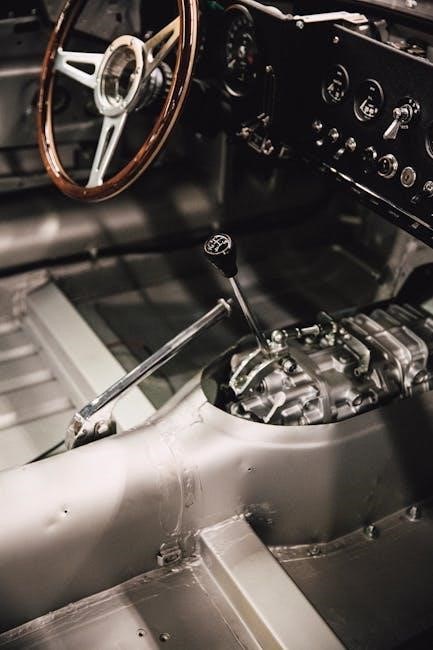
The AR5 transmission, once prevalent in various vehicles, presents unique challenges and benefits for enthusiasts. Its legacy includes both performance potential and reported issues, demanding careful consideration.
What is the AR5 Transmission?
The AR5 transmission is a five-speed manual gearbox originally designed and manufactured by New Venture Gear (NVG), a joint venture between General Motors and BorgWarner. It gained popularity as a robust and relatively affordable upgrade for vehicles originally equipped with weaker transmissions. Notably, it found a home in many Ford Ranger and Mazda B-series trucks, becoming a favored swap for those seeking enhanced durability and a more engaging driving experience.
While not without its quirks, the AR5 offers a distinct feel and potential for performance modifications. It’s important to note that production of the AR5 has ceased, meaning all units currently in use are from existing stock or previously installed vehicles. This impacts parts availability and rebuild options.
History and Origins of the AR5
The AR5’s story begins with New Venture Gear (NVG), a collaborative effort between General Motors and BorgWarner established to produce advanced transmission technologies. Introduced in the early to mid-1990s, the AR5 was intended as a stronger alternative to existing manual transmissions in light-duty trucks and SUVs. It quickly became a popular choice for Ford Rangers and Mazda B-series pickups, offering improved reliability over factory options.
The designation “AR5” itself denotes a specific series within NVG’s product line. While variations exist, the core design remained consistent throughout its production run. As time progressed, the AR5 faced competition from newer transmission designs, eventually leading to its discontinuation, though its legacy continues through dedicated enthusiasts and swap communities.
Common Vehicles Utilizing the AR5
The AR5 transmission found its most prominent application in the Ford Ranger and Mazda B-series pickup trucks, specifically models produced between the mid-1990s and the early 2000s. These vehicles benefited from the AR5’s increased strength compared to the original factory transmissions. It became a favored upgrade for those seeking enhanced durability and performance.
Beyond these core applications, the AR5 also appeared, though less frequently, in some Jeep Cherokee (XJ) models as a popular swap option. Enthusiasts often chose the AR5 for its robust construction and compatibility with various engine configurations. While not a factory fitment in many cases, its adaptability made it a versatile choice for custom builds and upgrades.

Technical Specifications of the AR5
The AR5 is a five-speed manual transmission known for its robust design and relatively simple internal layout, making it a popular choice for modifications.
Gear Ratios and Configurations
The AR5 transmission commonly features a variety of gear ratio configurations, influencing vehicle performance and drivability. Initial versions often utilized ratios tailored for specific applications, like the first gear being somewhat steep. Common configurations include ratios around 3.35:1 first gear, 1.94:1 second, 1.32:1 third, 1.00:1 fourth, and 0.79:1 fifth.
However, variations exist depending on the vehicle and production year. Swapping gear sets allows customization for different driving styles – lower ratios for acceleration, higher for highway cruising. Understanding these ratios is crucial for optimizing performance and matching the transmission to the engine’s characteristics. Some enthusiasts pursue specific ratios for racing or off-road applications, requiring careful calculation and component selection.
Physical Dimensions and Weight
The AR5 manual transmission is a medium-sized unit, generally comparable to other five-speed transmissions of its era. Its overall length typically ranges around 26-28 inches, while width measures approximately 18-20 inches. Height varies, but generally falls between 10-12 inches, depending on the specific case and tail housing.
Weight is a significant factor during swaps; the AR5 typically weighs between 85-110 pounds. This weight can fluctuate based on the model and any installed components. Accurate dimensional data is vital for ensuring proper fitment within the vehicle’s transmission tunnel and minimizing potential clearance issues during installation. Precise measurements are crucial for adapter plate selection and driveline component alignment.
Internal Components Breakdown
The AR5’s internal architecture features a robust design, utilizing straight-cut gears for durability. Key components include the mainshaft, countershaft, input shaft, and various synchronizer assemblies for smooth gear engagement. The transmission employs a fork-shift mechanism, controlled by external shift linkages.
Bearings support the rotating shafts, while a differential allows for varying wheel speeds during turns. The AR5 utilizes a typically cast iron case for strength. Understanding these internal parts is crucial for rebuilds or performance modifications. Identifying wear patterns on gears and synchronizers helps diagnose issues and determine necessary replacements during maintenance or repair procedures.

Installation and Compatibility
Successfully installing an AR5 requires careful planning, verifying vehicle fitment, and potentially sourcing adapters for proper operation and seamless integration.
Vehicle Compatibility Chart
Determining AR5 compatibility necessitates a detailed examination of potential host vehicles. While originally found in certain Ford Rangers and Explorers, adaptation to other platforms is common. The GM 4L30E automatic transmission swap to an AR5 is a noted modification. However, direct bolt-in applications are limited.
Compatibility hinges on factors like bellhousing patterns, input shaft splines, and transmission mounting points. Adapters are frequently required for non-native applications. Researching specific year and model combinations is crucial. Online forums and dedicated communities offer valuable insights into successful swaps. Careful consideration of driveline angles and potential clearance issues is also paramount for a trouble-free installation.
Required Adapters and Modifications
Successful AR5 installations often demand more than a simple swap. Adapters are frequently essential, particularly when fitting the transmission into vehicles it wasn’t originally designed for. Bellhousing adapters to match different engine patterns are common, as are pilot bearing adapters.
Modifications extend beyond adapters. A custom transmission crossmember may be needed to ensure proper support and alignment. Clutch hydraulics often require adaptation or complete replacement. Driveshaft modifications are almost guaranteed to correct driveline angles. Expect to address shifter linkage and potentially floor pan alterations for comfortable operation. Thorough planning and research are vital to minimize complications.
Installation Procedure Overview
The AR5 installation begins with safely removing the existing transmission, meticulously labeling all connections. Next, prepare the AR5, installing the pilot bearing and clutch assembly. Carefully align and install the bellhousing adapter (if required), ensuring proper torque specifications are met.
Raising the transmission into position requires patience and potentially an extra set of hands. Secure the crossmember, connect the driveshaft, and address the shifter linkage. Finally, bleed the clutch hydraulics and verify proper operation. A thorough inspection of all connections and fluid levels is crucial before the initial test drive.

Common Problems and Troubleshooting
AR5 transmissions can exhibit shifting difficulties, unusual noises, or fluid leaks. Diagnosing these issues often requires careful inspection and potentially a rebuild.
Difficulty Shifting Gears
Experiencing trouble selecting gears with your AR5 transmission is a common complaint. This can manifest as grinding, difficulty engaging a specific gear, or a generally notchy shift feel. Several factors contribute to this issue. Worn synchronizers are a primary suspect, as they facilitate smooth gear engagement. Internal wear within the transmission, including bent shift forks or damaged gear teeth, can also cause problems.
External factors play a role too; ensure proper clutch adjustment and that the clutch master and slave cylinders aren’t failing. Low or contaminated transmission fluid can exacerbate shifting issues. Thoroughly inspect the shift linkage for looseness or damage, as this can prevent precise gear selection. Addressing these potential causes systematically is crucial for resolving shifting difficulties.
Unusual Noises During Operation
Hearing strange sounds emanating from your AR5 transmission warrants immediate attention. Whining noises often indicate worn bearings, potentially within the input shaft, output shaft, or countershaft. Grinding sounds, particularly during gear changes, frequently point to failing synchronizers or damaged gear teeth. Clicking or clunking noises can stem from worn universal joints or issues within the differential.
A consistent humming sound might suggest low transmission fluid or a failing pump. Ignoring these noises can lead to catastrophic failure. A careful diagnosis, potentially involving fluid inspection and internal component examination, is essential. Promptly addressing the source of the noise prevents further damage and costly repairs.
Transmission Fluid Leaks
Detecting transmission fluid leaks from your AR5 is crucial, as low fluid levels severely impact performance and can cause significant damage. Common leak sources include the front and rear crankshaft seals, the input and output shaft seals, and the transmission housing itself. Inspect the bellhousing area, the underside of the transmission, and the surrounding components for visible fluid.
Reddish-brown fluid typically indicates an issue with the transmission. Small drips may initially seem harmless, but they can quickly escalate. Addressing leaks promptly prevents fluid starvation, overheating, and potential internal component failure. Replacing worn seals and gaskets is often necessary to resolve the problem effectively.

Maintenance and Repair
Regular maintenance, including fluid checks and timely repairs, is vital for AR5 longevity. Addressing wear and tear proactively prevents costly rebuilds and ensures reliable operation.
Recommended Fluid Type and Change Intervals
Selecting the correct fluid is paramount for AR5 transmission health. While specific recommendations can vary, a high-quality 75W-90 GL-4 gear oil is generally considered the standard. Avoid GL-5 fluids, as they can cause corrosion of the brass synchronizers commonly found within the AR5.
Change intervals depend heavily on usage. For typical street driving, a fluid change every 30,000 to 50,000 miles is advisable. However, for aggressive driving, frequent towing, or track use, shortening this interval to 15,000 to 30,000 miles is recommended. Regularly inspect the fluid for metal shavings or a burnt smell, indicating potential internal issues requiring immediate attention. Consistent fluid maintenance significantly extends the AR5’s lifespan.
Identifying Wear and Tear
Recognizing wear in an AR5 transmission is crucial for preventative maintenance. Common signs include difficulty shifting, particularly into specific gears, and the presence of grinding noises. Inspecting the synchronizers during a fluid change can reveal brass wear, a frequent AR5 issue.
Listen for unusual sounds – whining, clunking, or rattling – during operation. Excessive play in the shift linkage can also indicate internal component wear. Regularly check for leaks around the transmission housing and seals. Proactive inspection and addressing minor issues early can prevent costly rebuilds or replacements, ensuring continued reliable performance from your AR5.
Rebuild Kits and Resources
Comprehensive AR5 rebuild kits are available from several suppliers, typically including synchronizers, bearings, seals, and gaskets. Online forums and communities (see Resources section) often share vendor recommendations and kit reviews. Expect to invest time in researching kit contents and quality.
Technical documentation, though sometimes scarce, can be found through enthusiast groups and dedicated websites. Factory service manuals, if obtainable, are invaluable. Consider professional assistance if you lack experience with manual transmission rebuilds; improper assembly can lead to premature failure. Prioritize quality parts for a durable and reliable outcome.
Performance and Modifications
Enhancing the AR5 involves clutch upgrades, gear ratio swaps, and shift quality improvements. These modifications aim to optimize performance and address inherent limitations.
Improving Shift Quality
Addressing shift quality in the AR5 often begins with a thorough inspection of the shift linkage. Worn or loose components contribute to imprecise shifts and a vague feel. Upgrading the shift linkage with aftermarket parts, such as solid bushings, can significantly tighten up the connection between the shifter and the transmission.
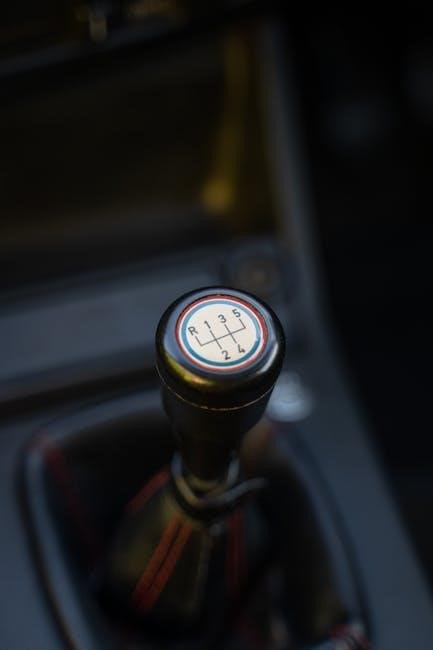
Internal improvements also play a crucial role. Ensuring proper lubrication with the correct fluid type is paramount. Some enthusiasts report benefits from experimenting with different shifter knobs and even short-throw shifter kits, though compatibility can be a concern. Careful adjustment of the clutch pedal free play is also essential for smooth engagement and disengagement, directly impacting shift feel.
Finally, addressing any synchronizer wear through rebuild or replacement is key for crisp, positive shifts, especially at higher RPMs.
Gear Ratio Swapping for Performance

Optimizing the AR5 for specific driving styles often involves altering gear ratios. For racing or autocross, closer ratios allow the engine to stay within its powerband, maximizing acceleration. Conversely, taller ratios are beneficial for highway cruising, reducing engine speed and improving fuel economy.
Swapping gears requires a complete transmission disassembly and rebuild, demanding significant mechanical skill. Different final drive ratios also impact performance; a numerically higher ratio provides quicker acceleration but reduces top speed. Careful calculation is needed to match the gear ratios to the vehicle’s weight, tire size, and intended use.
Consider the trade-offs carefully, as ratio changes affect both acceleration and overall drivability.
Clutch Compatibility and Upgrades
The AR5 transmission’s clutch compatibility is crucial for reliable performance. Stock clutches may struggle with increased engine power, necessitating an upgrade. Many aftermarket clutches are designed specifically for the AR5, offering increased clamping force and improved heat dissipation.
When selecting a clutch, consider the engine’s torque output and intended use. Performance clutches often have stiffer pedal feel, which may not be ideal for daily driving. Flywheel selection also impacts performance; a lighter flywheel improves engine responsiveness, while a heavier flywheel provides smoother engagement.
Ensure proper clutch alignment during installation to prevent premature wear and shifting issues.

AR5 vs. Other Manual Transmissions
Compared to the T5 and NV3550, the AR5 offers a unique balance of strength and cost, though it may exhibit specific weaknesses in high-power applications.
AR5 Compared to T5
The BorgWarner T5 transmission is a widely recognized and robust manual gearbox, often considered a benchmark in the aftermarket. When directly comparing the AR5 to the T5, several key differences emerge; The T5 generally boasts stronger internal components and a broader availability of aftermarket support, including gear sets and rebuild kits.
However, the AR5 often presents a more affordable entry point for a five-speed conversion, particularly for specific vehicle applications where the T5 requires extensive adapter work. While the T5 typically handles higher horsepower figures with greater reliability, the AR5 can be a viable option for moderately powered builds. Ultimately, the choice depends on budget, intended use, and the specific vehicle platform.
AR5 Compared to NV3550
The New Venture Gear NV3550 is another popular five-speed manual transmission, frequently found in trucks and performance applications; Compared to the AR5, the NV3550 is generally regarded as significantly stronger and more durable, capable of handling substantially higher torque loads. This makes it a preferred choice for heavily modified vehicles and those used in demanding conditions.
However, the NV3550 is typically larger and heavier than the AR5, potentially requiring more extensive modifications for installation in certain vehicles. The AR5 often offers a more compact size and lighter weight, simplifying the conversion process in some cases. Cost is also a factor, with the NV3550 usually commanding a higher price point than the AR5.
Advantages and Disadvantages of the AR5
The AR5 transmission presents a compelling blend of benefits and drawbacks for automotive enthusiasts. Its primary advantage lies in its relatively compact size and lighter weight, simplifying installation into various vehicle platforms. This makes it a popular choice for swap projects where space is limited.
However, the AR5 is known to have limitations in terms of strength and durability, particularly when subjected to high horsepower or aggressive driving. Reports of shifting difficulties and internal component failures are common. Finding replacement parts can also be challenging, as production has ceased. Careful consideration of these factors is crucial before choosing the AR5.

Resources and Community
Online forums and communities are vital for AR5 owners, offering support, troubleshooting advice, and parts sourcing assistance. Dedicated groups foster knowledge sharing.
Online Forums and Communities
Engaging with the AR5 community is invaluable for owners and those considering a swap. Numerous online forums dedicate sections to this transmission, providing a platform for sharing experiences, troubleshooting common problems, and locating rare parts. These communities often host detailed build threads, showcasing successful AR5 conversions and modifications.

Active discussions cover topics ranging from clutch compatibility and gear ratio selection to identifying potential weak points and sourcing rebuild kits. Members frequently share technical documentation, wiring diagrams, and installation guides. Several Facebook groups also cater specifically to AR5 enthusiasts, offering a more immediate and interactive environment for asking questions and receiving assistance. Participating in these forums can significantly simplify the ownership experience and accelerate the learning curve.
Parts Suppliers and Vendors
Sourcing AR5 components can be challenging due to its discontinued production, necessitating reliance on specialized suppliers and used parts markets. Several vendors focus on providing rebuild kits, including seals, bearings, and synchronizers, essential for restoring aging transmissions. Online marketplaces like eBay and dedicated forums often list used AR5 units and individual parts.
However, verifying the condition of used components is crucial. Some companies specialize in adapting the AR5 for specific vehicle applications, offering adapter plates, shifters, and crossmembers. Careful research and comparison of pricing and warranty options are recommended. Due to the transmission’s age, availability fluctuates, so proactive sourcing is often necessary for successful projects.
Technical Documentation and Manuals
Finding comprehensive AR5 documentation proves difficult due to its age and limited original manufacturer support. While official factory service manuals are scarce, online forums and enthusiast communities have compiled valuable resources. These often include exploded diagrams, repair procedures, and troubleshooting guides created by experienced owners.
Some vendors specializing in AR5 rebuilds may offer supplemental documentation with their kits. Digital copies of related manuals for vehicles that originally utilized the AR5 can provide helpful context. Thorough research across multiple sources is essential for a complete understanding of the transmission’s internal workings and proper repair techniques. Expect to piece together information from various locations.