Scorch Torch Lighter: A Comprehensive Manual
Welcome! This manual details the Scorch Torch Lighter, a high-performance tool reaching 1300C/2500F. Learn safe operation, refilling, and advanced techniques for optimal use.
The Scorch Torch Lighter represents a pinnacle of butane torch technology, designed for versatility and power. This manual serves as a comprehensive guide to understanding and safely operating your new torch. Featuring an adjustable flame reaching an impressive 1300C/2500F, it’s ideal for searing, precision work, and various applications.
Its innovative one-handed operation, with a thumb wheel for flame adjustment and a press-button flame lock, ensures convenience and control. Butane is not included, allowing you to select your preferred fuel quality.
Understanding the Key Features
Key features define the Scorch Torch Lighter’s performance. The intense flame, capable of 1300C / 2500F, provides exceptional heat for diverse tasks. Its one-handed operation, facilitated by the thumb wheel and trigger ignition, maximizes user convenience.
The press-button flame lock ensures sustained flame output without constant pressure. This design allows for precise control and safe, efficient operation, making it a superior tool compared to traditional lighters.
Flame Temperature and Intensity (1300C / 2500F)
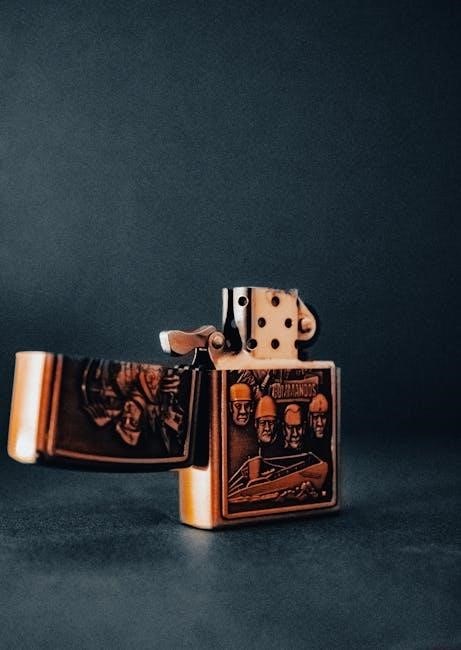
Exceptional heat is a hallmark of the Scorch Torch Lighter. Reaching temperatures of 1300 degrees Celsius (2500 degrees Fahrenheit), it delivers an intensely powerful flame. This high thermal output enables rapid heating for searing, welding, and various industrial or culinary applications.
The intensity allows for quick and efficient work, surpassing the capabilities of standard lighters. Precise flame control, combined with this heat, ensures optimal results.
One-Handed Operation Design
Convenience and efficiency define the Scorch Torch Lighter’s ergonomic design. Featuring a thumb wheel for flame adjustment, ignition, and a press-button flame lock, operation is streamlined for single-handed use. This innovative feature eliminates the need for a second hand to manage flame size or secure the torch.
This allows for greater control and freedom during tasks, enhancing productivity and safety. The intuitive controls make it accessible for both novice and experienced users.
Safety Precautions
Prioritize safety when using the Scorch Torch Lighter. Always operate in a well-ventilated area, avoiding flammable materials. Never leave the lit torch unattended and keep it out of reach of children. Exercise caution to prevent scorching or burns – maintain a safe distance from skin and combustible surfaces.
Proper handling of butane fuel is crucial; see the dedicated section for detailed guidelines. Inspect the lighter regularly for leaks or damage before each use.
General Safety Guidelines
Always inspect the Scorch Torch Lighter before use, checking for any visible damage or fuel leaks. Operate in a well-ventilated space, away from flammable substances. Never point the flame towards yourself or others. Keep the torch out of reach of children and pets.
Avoid prolonged exposure to the flame and be mindful of hot surfaces. Use caution when handling the torch after use, as components may remain hot for some time.
Handling Butane Fuel Safely
Butane is highly flammable; store canisters in a cool, dry, and well-ventilated area, away from heat sources and open flames. Never puncture or incinerate butane canisters. Refill the lighter in a well-ventilated space, ensuring no ignition sources are nearby.
Avoid overfilling the lighter, and immediately clean up any spilled fuel. Dispose of empty canisters responsibly, following local regulations. Keep butane fuel out of reach of children.
Components of the Scorch Torch Lighter
The Scorch Torch Lighter boasts a robust design featuring key components for precise control. The ignition button and system reliably initiate the flame; A thumb wheel flame adjustment allows for one-handed operation and precise flame sizing.
Furthermore, the integrated flame lock mechanism maintains a consistent flame, reducing hand fatigue during extended use. These elements combine for a powerful and user-friendly torch experience.
Ignition Button and System
The Scorch Torch Lighter’s ignition system is designed for dependable, one-handed activation. A simple press of the ignition button generates a spark, instantly igniting the released butane gas. This trigger-style ignition ensures quick and easy operation, even with gloved hands.
The system is engineered for consistent performance, providing a reliable flame every time. Regular cleaning around the button maintains optimal functionality.
Thumb Wheel Flame Adjustment
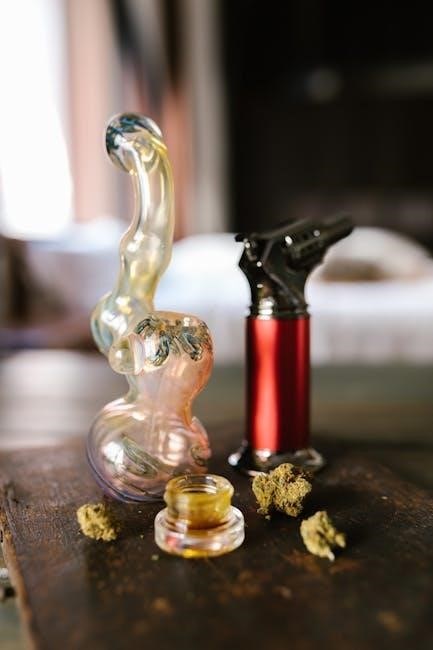
The innovative thumb wheel allows for precise, one-handed flame control. Rotating the wheel adjusts the gas flow, enabling you to easily modify flame size – from a pinpoint precision flame to a robust searing blast. This industry-leading feature offers unparalleled adjustability during operation;
This design eliminates the need for a second hand, streamlining your workflow and maximizing efficiency. Smooth rotation ensures accurate flame settings.
Flame Lock Mechanism
The Scorch Torch Lighter features a convenient press-button flame lock. Once the desired flame intensity is achieved via the thumb wheel, pressing this button maintains a continuous flame without needing to hold the ignition trigger. This is crucial for extended tasks like searing or detailed work.
Releasing the button instantly extinguishes the flame, enhancing safety and conserving butane. This one-handed operation simplifies control and boosts productivity.
Refilling the Scorch Torch Lighter
Maintaining optimal performance requires periodic butane refills. Important: Butane is NOT included with the Scorch Torch Lighter. Only use high-quality butane fuel designed for lighters to ensure consistent flame temperature and prevent clogging. Before refilling, ensure the lighter is completely cool and the flame is extinguished.
Refilling is straightforward, utilizing a standard butane refill nozzle. Follow the step-by-step instructions detailed in the following section for a safe and efficient process.
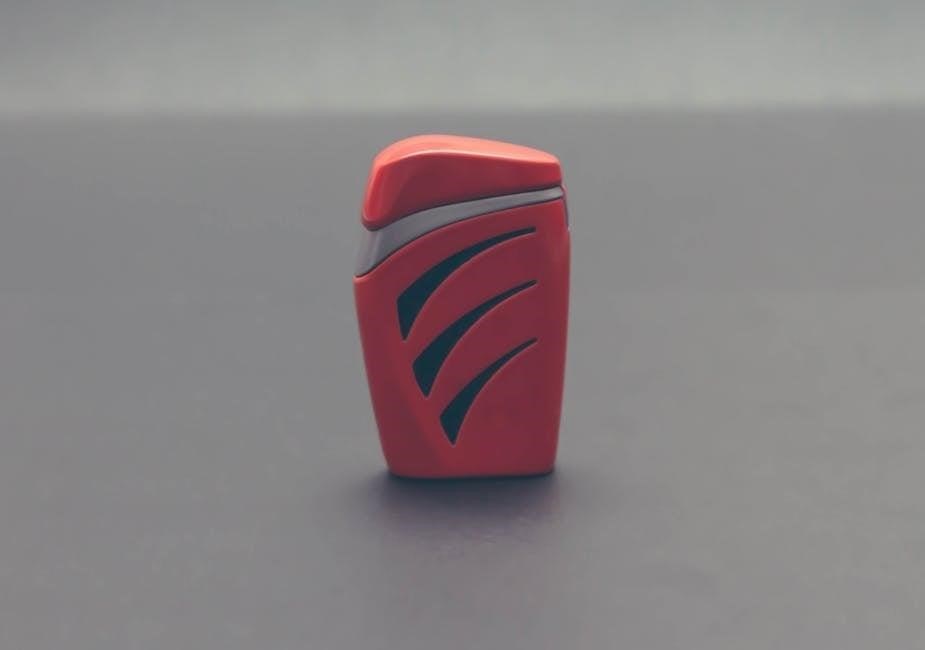
Butane Fuel Requirements (Butane Not Included)
The Scorch Torch Lighter requires high-quality butane fuel for reliable operation. Butane is not included due to shipping restrictions. Use only butane specifically designed for lighters; avoid fuels with additives. These additives can clog the nozzle and affect flame quality.
Ensure the butane canister has a standard nozzle compatible with lighter refill valves; Inferior fuel can lead to weak flames, inconsistent performance, and potential damage to the lighter’s internal components. Prioritize fuel quality!
Step-by-Step Refilling Instructions
To refill, invert the lighter and firmly press the butane canister’s nozzle into the refill valve. Apply consistent pressure for 5-10 seconds, or until full. Avoid prolonged filling to prevent overfilling. After refilling, allow the lighter to sit upright for several minutes to stabilize the butane.
This allows the fuel to reach optimal temperature and pressure. Warming the lighter slightly can aid this process. Always refill in a well-ventilated area, away from open flames or heat sources.
Bleeding Air from the Lighter
Air within the chamber can disrupt a consistent flame. After refilling, or if experiencing a weak flame, bleeding is crucial. Briefly depress the ignition button to release butane, purging any trapped air. Repeat this process several times until a steady stream of butane emerges without sputtering.
This ensures optimal fuel delivery and a strong, consistent flame. Warming the lighter slightly post-bleeding can further enhance performance and stability.
Why Bleeding is Necessary
Air contamination significantly impacts the Scorch Torch Lighter’s performance. Trapped air mixes with the butane, creating an inconsistent fuel mixture. This results in a weak, sputtering flame, or even prevents ignition altogether. Bleeding removes this air, ensuring pure butane reaches the nozzle.
Consistent butane flow is vital for achieving the torch’s maximum temperature and maintaining a stable, reliable flame for various applications, from searing to precision work.
Procedure for Bleeding Air
After refilling, invert the Scorch Torch Lighter. Briefly press the ignition button several times – typically 5-10 – while holding it upside down. This expels trapped air from the fuel chamber. You may notice a brief burst of gas; this is normal.
Continue until only a steady stream of butane gas is released. Warming the lighter slightly can aid this process. Repeat if necessary to ensure complete air removal for optimal performance.
Adjusting the Flame
Precision is key! Utilize the thumb wheel to finely tune the flame size. Rotating it clockwise increases flame intensity, while counter-clockwise decreases it. For searing, a larger, robust flame is ideal. Conversely, delicate tasks demand a smaller, focused flame.
Practice adjusting the flame to achieve the desired output for various applications. Slow, deliberate adjustments yield the best results, ensuring control and preventing scorching.
Using the Thumb Wheel for Precision
Mastering control! The thumb wheel allows for incredibly precise flame adjustments. Small rotations translate to noticeable changes in flame size, crucial for detailed work. Practice makes perfect – experiment to understand the wheel’s responsiveness.

Avoid abrupt movements; instead, opt for gradual adjustments. This prevents overshooting your desired flame size and ensures consistent results. The thumb wheel is central to unlocking the Scorch Torch’s versatility.
Flame Size for Different Tasks (Searing vs. Precision)

Adapt your flame! For searing, a larger, robust flame is ideal, quickly applying intense heat. Conversely, precision tasks – like delicate soldering or detailed culinary work – demand a smaller, focused flame.
Utilize the thumb wheel to transition seamlessly between these extremes. A wider flame distributes heat, while a narrow flame concentrates it. Understanding this relationship maximizes the Scorch Torch’s functionality and prevents scorching.
Igniting the Torch
Proper technique is key! Firmly press the ignition button while ensuring the flame lock is disengaged. A consistent, deliberate press yields the most reliable ignition. If the torch fails to ignite, briefly depress the button several times to prime the system.
Avoid prolonged button presses to conserve butane. Remember to adjust the flame size after ignition using the thumb wheel for optimal control and safety.
Proper Ignition Technique
Achieving a reliable flame starts with technique. Depress the ignition button with a firm, consistent motion. Simultaneously, verify the flame lock mechanism is in the ‘off’ or unlocked position. A quick, full press is more effective than a hesitant one.
If initial attempts fail, briefly pulse the ignition several times. This primes the system. Always point the torch away from yourself and flammable materials during ignition attempts.
Troubleshooting Ignition Issues
If the torch fails to ignite, first ensure sufficient butane fuel is present. A weak or sputtering flame often indicates low fuel. Next, check for nozzle obstructions; debris can prevent proper gas flow. Briefly bleeding air (see section on bleeding) can also resolve ignition problems.
If issues persist, inspect the ignition button for damage. A faulty ignition system may require professional repair or replacement. Never disassemble the torch yourself.
Maintaining Your Scorch Torch Lighter
Regular maintenance ensures optimal performance and longevity. Periodically clean the nozzle with a soft brush or compressed air to remove carbon buildup, preventing clogs and ensuring a consistent flame. Avoid using abrasive cleaners.
Proper storage is crucial. Store the lighter in a cool, dry place, away from direct sunlight and flammable materials. Always empty the fuel tank before long-term storage to prevent leaks and damage.
Cleaning the Nozzle
A clean nozzle is vital for a consistent, powerful flame. Carbon buildup restricts fuel flow, causing weak or uneven flames. Gently clean the nozzle using a soft brush – an old toothbrush works well – to dislodge debris. Alternatively, use compressed air in short bursts.
Avoid using pins or wires, as these can enlarge the nozzle opening and affect flame control. Regular cleaning, especially after frequent use, maintains peak performance.
Storage Recommendations
Proper storage extends your Scorch Torch Lighter’s lifespan. Always ensure the flame is completely extinguished and the lighter is cool before storing. Keep it in a dry, well-ventilated area, away from direct sunlight and extreme temperatures.
Avoid storing near flammable materials. A protective case is recommended to prevent scratches and damage to the components. Periodically check for leaks or fuel residue before each use.
Troubleshooting Common Problems
Experiencing issues? A weak flame often indicates low butane levels – refill as instructed. If the flame lock malfunctions, ensure it’s fully engaged or disengaged. Persistent problems may stem from a clogged nozzle; carefully clean it with a soft brush.
For ignition failures, verify sufficient butane and try bleeding air. If issues persist, consult the warranty information or contact customer support for assistance.
Weak Flame Issues
A diminished flame typically signals insufficient butane fuel within the lighter’s chamber. Immediately check the butane level and refill following the step-by-step instructions provided in this manual. A weak flame can also occur if air is trapped inside; bleeding the lighter is crucial.
Ensure the nozzle isn’t obstructed, as this restricts fuel flow. If problems continue after refueling and bleeding, contact customer support.
Flame Lock Malfunctions
If the flame lock isn’t engaging or disengaging smoothly, avoid forceful manipulation. Gently press the ignition button while simultaneously attempting to activate or deactivate the lock. A sticky lock may indicate a buildup of residue or a minor mechanical issue.
Inspect the mechanism for debris. If the problem persists, discontinue use and contact customer support for assistance; Do not attempt self-repair, as this could void the warranty.
Advanced Techniques
Mastering the Scorch Torch extends beyond basic ignition. For searing, utilize a larger flame and sweeping motions, maintaining a safe distance to avoid scorching. Precision work demands a smaller, focused flame and steady hand.
Experiment with flame size and distance to achieve desired results on various materials. Remember, practice is key to unlocking the full potential of this versatile tool, ensuring both safety and effectiveness;
Using the Torch for Searing
Achieving a perfect sear requires a robust flame and controlled movement. Begin with a larger flame setting, adjusting via the thumb wheel for intensity. Maintain a consistent distance – approximately 1-2 inches – from the surface.
Employ sweeping motions, avoiding prolonged focus on one spot to prevent burning. Visualize even browning and listen for the characteristic sizzle. Practice on test pieces to refine your technique and achieve restaurant-quality results.
Precision Work with the Scorch Torch
For delicate tasks, reduce the flame to its smallest, most focused setting using the thumb wheel. A smaller flame offers greater control and minimizes the risk of overheating sensitive materials.
Maintain a stable hand and utilize short, controlled bursts of flame. Practice on scrap material to develop finesse. This technique is ideal for detailed work, such as soldering, crafting, or delicate food presentation, demanding accuracy and patience.
Understanding the Fuel
Butane is essential for Scorch Torch Lighter operation; however, it is not included. Different butane types exist, impacting performance – refined butane yields cleaner, more consistent flames.
Fuel quality matters. Impure butane can cause clogging and reduced flame intensity. Opt for high-quality, triple-refined butane specifically designed for lighters to ensure optimal functionality and longevity of your Scorch Torch. Avoid fuels with additives or scents.
Types of Butane Fuel
Several butane grades are available, ranging from standard to ultra-refined. Standard butane is cost-effective but may contain impurities. Refined butane offers improved purity, resulting in a cleaner burn and reduced residue.
Ultra-refined butane, often triple-refined, is the premium choice for optimal Scorch Torch performance. It minimizes clogging and maximizes flame temperature and consistency. Consider odor-free options for applications where scent interference is undesirable.
Fuel Quality and Performance
Butane fuel quality significantly impacts Scorch Torch Lighter performance. Impurities can lead to inconsistent flames, nozzle clogging, and reduced ignition reliability. Higher-quality, refined butane ensures a stable, powerful, and clean-burning flame.
Optimal performance requires using butane with a high purity level. Lower-grade fuels may necessitate more frequent cleaning and maintenance. Investing in premium butane extends the lighter’s lifespan and enhances its overall functionality, delivering consistent results.
Scorch Torch Lighter vs. Other Lighters
The Scorch Torch distinguishes itself through its intense flame temperature (1300C/2500F) and one-handed operation, a significant advantage over traditional lighters. Its adjustable flame, controlled by a thumb wheel, offers precision for diverse tasks, unlike fixed-flame cigarette lighters.
Compared to standard lighters, the Scorch Torch provides superior heat output for searing and specialized applications. The robust design and refillable nature offer long-term value and versatility, making it a premium choice for discerning users.
Advantages of the Scorch Torch Design
The Scorch Torch’s innovative design centers around user convenience and performance. Its one-handed operation, featuring a thumb wheel for flame adjustment and a press-button flame lock, streamlines usage. This eliminates the need for a second hand, enhancing efficiency and control.
Furthermore, the high-temperature flame (1300C/2500F) provides capabilities beyond typical lighters, suitable for searing, detailed work, and various industrial applications. The refillable design promotes sustainability and cost-effectiveness.
Comparison with Traditional Cigarette Lighters
Unlike conventional cigarette lighters, the Scorch Torch delivers a significantly more powerful and adjustable flame. Cigarette lighters primarily focus on low-intensity, sustained flames for tobacco, while the Scorch Torch offers intense heat for diverse tasks like searing and precision work.
Traditional lighters often utilize disposable designs or limited refill options; The Scorch Torch’s refillable butane system is both economical and environmentally conscious, offering superior longevity and performance compared to standard options.
Potential Hazards and Mitigation
Exercise extreme caution when using the Scorch Torch Lighter due to its high flame temperature. Avoid direct contact with the flame and hot surfaces to prevent scorching and burns. Always maintain a safe distance from flammable materials and ensure adequate ventilation during operation.
Never leave the torch unattended while lit or cooling. Store it securely, away from children and combustible substances. Regularly inspect the lighter for leaks or damage before each use to mitigate potential risks.
Avoiding Scorching and Burns
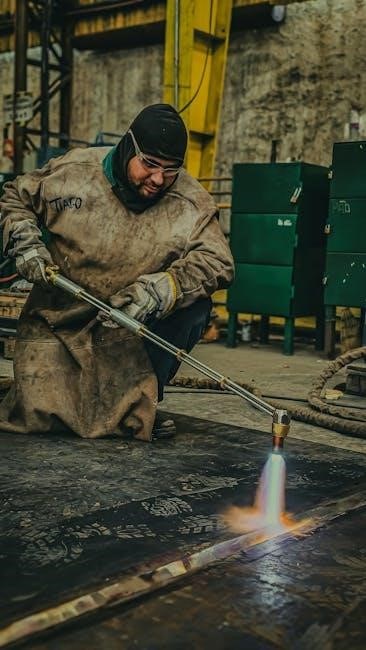
Prioritize safety by maintaining a deliberate distance between the flame and your work surface or skin. Utilize slow, even motions when applying the flame to prevent localized overheating and scorching. Always wear appropriate heat-resistant gloves and eye protection during operation.
Be mindful of surrounding materials; the intense heat can easily ignite combustibles. Never point the torch at yourself or others. If clothing catches fire, STOP, DROP, and ROLL immediately.
Safe Distance and Ventilation
Maintain a safe working distance – at least 12 inches – from flammable materials when using the Scorch Torch. Operate the lighter in a well-ventilated area to prevent the build-up of combustion byproducts. Avoid enclosed spaces, as this can lead to carbon monoxide accumulation.
Ensure adequate airflow to dissipate heat and fumes. Never use the torch near volatile chemicals or explosive substances. Always be aware of your surroundings and potential fire hazards.
Warranty Information
Scorch Torch Lighters are warranted against defects in materials and workmanship for a period of one year from the date of original purchase. This warranty does not cover damage resulting from misuse, abuse, accidental damage, unauthorized modifications, or failure to follow safety instructions.
To initiate a warranty claim, contact our customer support with proof of purchase. We will, at our discretion, repair or replace the defective unit. This warranty provides exclusive remedy.
Frequently Asked Questions (FAQ)
Q: Why won’t my lighter ignite? Ensure it’s properly filled with butane and bleed any trapped air. Q: How often should I refill? Refill when flame intensity decreases. Q: Can I use any butane? Use high-quality butane for optimal performance. Q: What if the flame is weak? Bleed air and adjust the thumb wheel.
Q: Is one-handed operation possible? Yes, the design allows for single-hand use.
Customer Support Contact Information
For assistance with your Scorch Torch Lighter, please reach out to our dedicated support team. Email us at support@scorchtorch.com for quick responses to frequently asked questions and troubleshooting. Alternatively, call our toll-free hotline at 1-800-SCORCH-1 (1-800-726-7241) during business hours, Monday-Friday, 9 AM to 5 PM EST.
Visit our website at www.scorchtorch.com for detailed guides and FAQs.